Artist Index
A - B - C - D - E - F - G - H - I - J - K - L - M
N - O - P - Q - R - S - T - U - V - W - X - Y - Z
Albrecht Altdorfer
Paintings
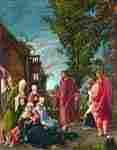
Christ taking Leave of his Mother
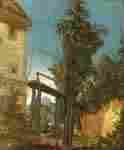
Landscape with a Footbridge
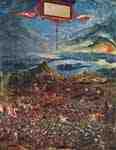
Battle of Issus
Battle of Issus, Detail
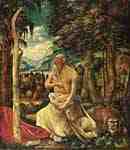
St. Jerome
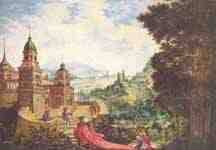
Der Hoffart
Der Hoffart, Detail
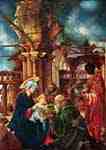
The Adoration of the Magi
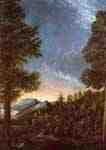
Danube landscape near Regensburg with the Scheuchen mountain
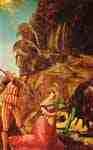
Beheading of St. Catherine
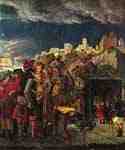
Florian Series : capture of St. Florian
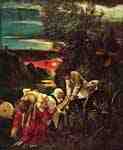
Florian Series : capture of St. Florian , detail
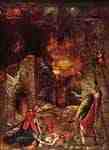
Nativity
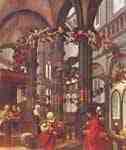
Birth of Mary
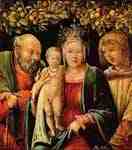
Holy Family with an angel
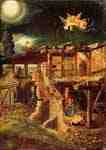
Holy Night ( Nativity)
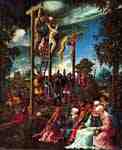
Kalvarienberg
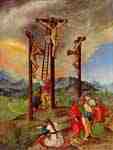
The Crucifixion
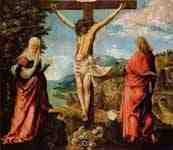
Crucifixion: Crucifixion
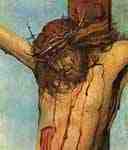
Crucifixion: Crucifixion , detail
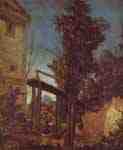
Landscape with a bridge
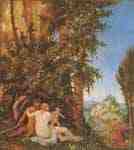
Landscape with family of Satyrs
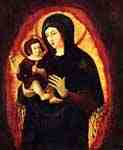
Madonna ( Beautiful Maria of Regensburg )
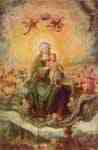
Mary in Glory
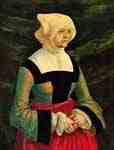
Portrait of a woman
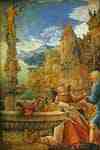
Rest on the Flight
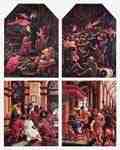
Sebastian Altar: sequence of scenes
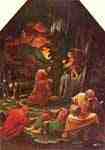
Sebastian Altar: Christ on the Mount of Olives
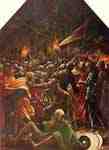
Sebastian Altar: Arrest of Christ
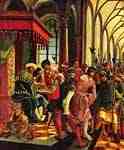
Sebastian altar : Hand washing of Pilate
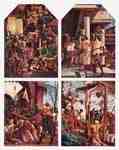
Sebastian Altar: sequence of scenes
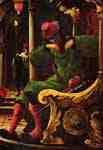
Sebastian Altar: Christ before Caiaphas , detail
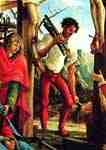
Sebastian Altar: Crucifixion , detail
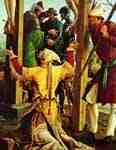
Sebastian Altar: Crucifixion , detail
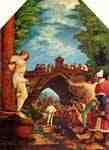
Sebastian Altar: Martyrdom of St. Sebastian
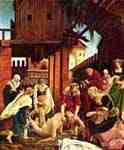
Sebastian Altar: recovery of the body of the Saint
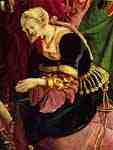
Sebastian Altar: recovery of the body of the saint, detail
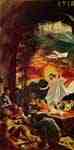
Sebastian Altar: Christ's Resurrection
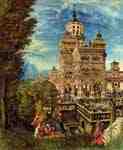
Susanna in the Bath
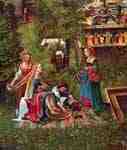
Susanna in the Bath, Detail
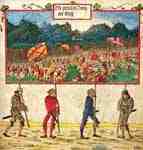
Triumph of Maximilian : Swiss War
Triumph of Maximilian, Detail
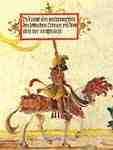
Triumph of Maximilian: »Kalikutischen leut«, Detail
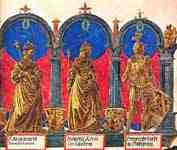
Triumph of Maximilian : ancestors of the emperor , detail
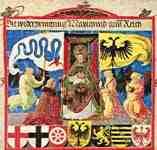
Triumph of Maximilian : recapture of Milan
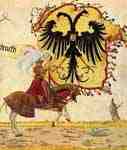
Triumph of Maximilian : Reichsbanner , detail
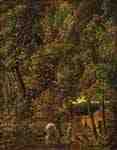
Forest Landscape with St. Georges Dragon fight
Drawings
"Wild People" - Family
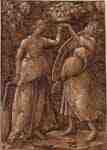
Allegory: Pax and Minerva
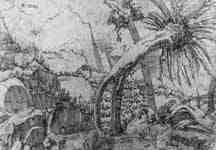
Mountain Landscape with pastures
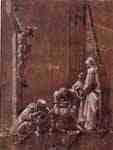
Lamentation of Christ
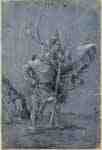
Christopher
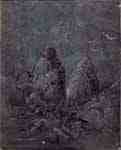
Christopher, died in the water
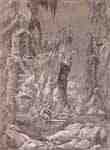
Christ on the Mount of Olives
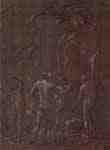
Christ in Limbo
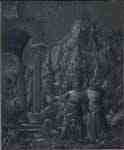
The sacrifice of Abraham
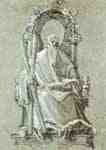
The St. Andrew, enthroned
The St. George killed the dragon
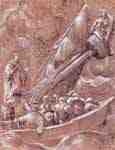
The St. Nicholas of Bari
The Mouth of Truth
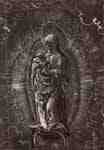
The "Beautiful Maria" on the crescent moon
A woman is forced into idolatry
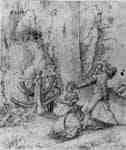
Beheading of St. Catherine
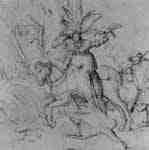
Falk Hunter horse and companion
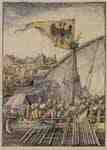
Handwriting "Historia et Friderici Maximiliani": On the way home from the Holy Land Friedrich roamed the oriental bazaars
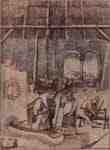
Handwriting "Historia et Friderici Maximiliani" The Emperor in the Gießhütte
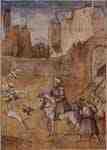
Handwriting "Historia et Friderici Maximiliani" The child-Maximilian loved hunting more than the classroom
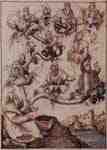
Handwriting "Historia et Friderici Maximiliani": The pedigree of the emperor
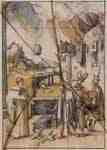
Handwriting "Historia et Friderici Maximiliani": The death of Emperor Frederick III. (1493) heralded by miracles
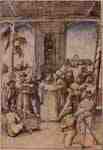
Handwriting "Historia et Friderici Maximiliani": The Emperor Freidrich's aversion against cruel punishments Love
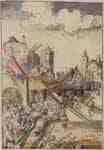
Handwriting "Historia et Friderici Maximiliani": The Belagerug Emperor Frederick III. and his family in the Vienna Burgtheater (1462) by Frederick's brother Archduke Albrecht VI.
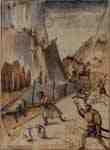
Handwriting "Historia et Friderici Maximiliani": Maximilian on deer and chamois
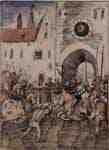
Handwriting "Historia et Friderici Maximiliani": Tournament in the courtyard. Maximilian lifts an opponent out of the saddle
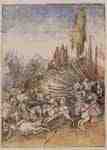
Handwriting "Historia et Friderici Maximiliani": under the red-white-red flag of Austria Maximilian riding troops against the French cavalry hiss the Lily Banners
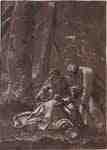
Holy Family in a landscape
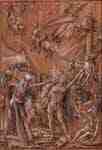
Witches' Sabbath
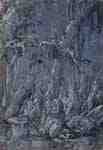
St. Jerome in the forest
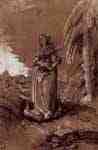
St. Margaret, standing on the Devil
Battle between knight and Landsknecht
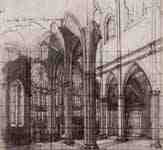
Church Interior
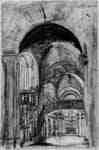
Church Interior
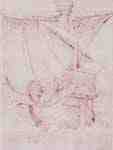
cog
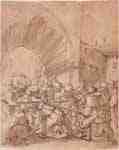
Christ Carrying the Cross
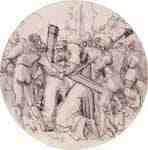
Christ Carrying the Cross, Tondo
Landscape at sunset
Landscape with lovers
Landsknecht and prostitute
lovers
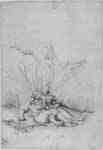
Lovers at the cornfield
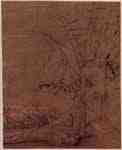
Reclining in a Landscape
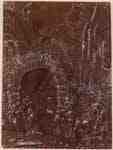
Martyrdom of St. Sebastian
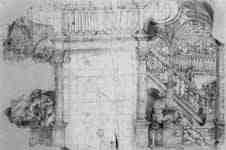
Public bathroom
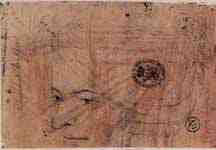
Portrait of a young man with beret, fragment
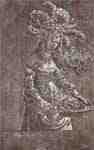
Salome with the Head of John the Baptist
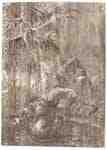
Samson Slaying the Lion
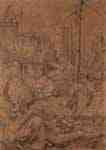
Samson and Delilah
Study sheet with heads and a castle
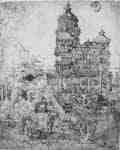
Susanna and the Elders
Death of Marcus Curtius leap
Dead Pyramus
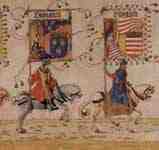
Triumph of Emperor Maximilian I: standard-bearer of Hungary, Dalmatia, Croatia and Bosnia
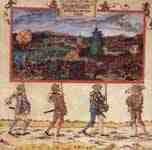
Triumph of Emperor Maximilian I.: The victory over Liege
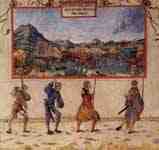
Triumph of Emperor Maximilian I.: The Hungarian War
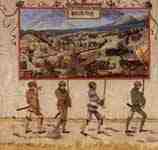
Triumph of Emperor Maximilian I: Conquest of Lower Austria
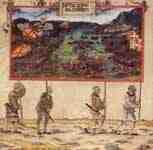
Triumph of Emperor Maximilian I: The first Flemish conquest
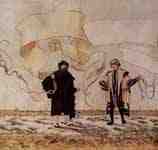
Triumph of Emperor Maximilian I: Two men with rolls of tape
Raid in the forest
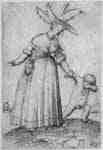
Venus punishes Amor
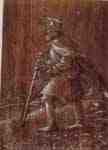
Drawing from an "apostle sequence": St. James the Greater
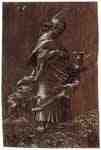
Drawing from an "apostle sequence": St. John
Drawing from an "apostle sequence": St. Thomas
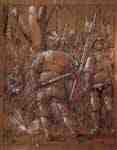
Two mercenaries and Lovers
Illustrations
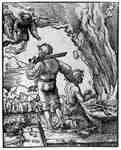
Abraham sacrifices Isaac
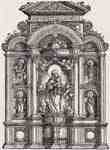
Altar of the beautiful Maria
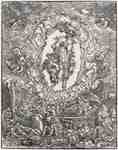
Resurrection of Christ
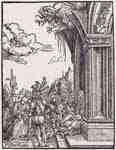
Massacre of the Innocents
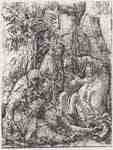
Lamentation of Christ
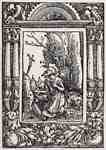
Penitent St. Jerome in an ornament frame
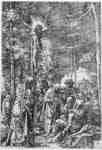
Christ on the Cross
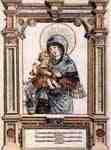
Standing Landsknecht
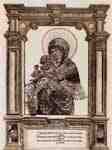
The "Beautiful Maria" from Regensburg
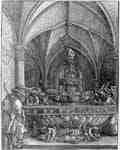
The Holy Family at the fountain
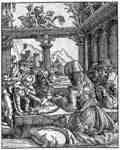
The Holy Kinship
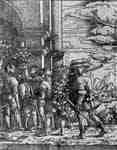
The scout with the grape
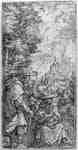
The Rest on the Flight
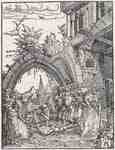
Beheading of John the Baptist
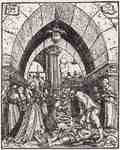
Beheading of John the Baptist
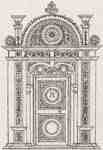
Design of a portal
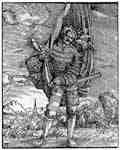
Standard-bearer
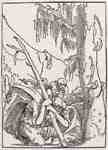
St. Christopher
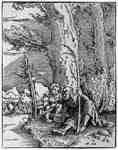
St. Christopher on the banks sitting
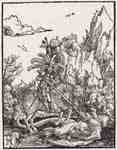
St. George slaying the dragon
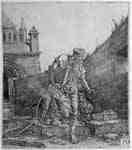
St. Jerome on the wall
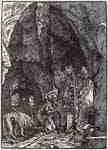
St. Jerome in the Cave
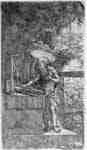
St. Jerome Reading
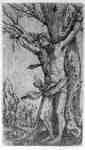
St. Sebastian
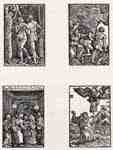
Illustrations for a devotional book, sheet, 1-4, fall, expulsion, Joachim's sacrifice, Annunciation to Joachim
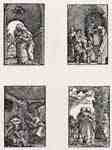
Illustrations for a devotional book, sheet, 5-8, Joachim hugged Anna, The Temple passage of Mary, Annunciation, Visitation
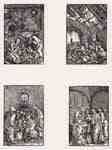
Illustrations for a devotional book, sheet, 9-12, Nativity, Adoration of the Three Holy Kings, circumcision, Presentation of Christ
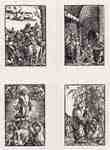
Illustrations for a devotional book, sheet, 13-16, Flight into Egypt, Jesus in the temple, transfiguration of Christ, Christ's farewell
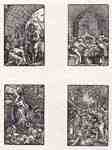
Illustrations for a devotional book, sheet, 17-20, Entry of Christ, the Lord's Supper, prayer on the Mount of Olives, capture
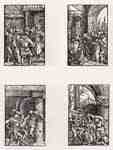
Illustrations for a devotional book, sheet, 21-24, Christ before Caiaphas, Christ before Pilate, scourging, crowning with thorns
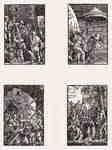
Illustrations for a devotional book, sheet, 25-28, Christ will be shown to the people, Pilate hand wash, Cross, The Crucifixion
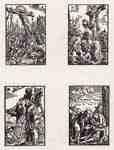
Illustrations for a devotional book, sheet, 29-32, erection of the cross, Christ on the Cross, the Cross, Lamentation of Christ
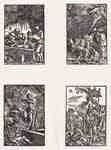
Illustrations for a devotional book, sheet, 33-36, burial, descent into hell, resurrection of Christ, Christ appearing to St. Magdalena
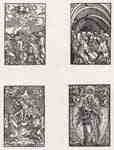
Crowned Illustrations for a devotional book, sheet, 36-40, Ascension of Christ, death Mary, the Last Judgement, Our Lady of Angels
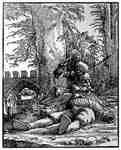
Jael and Sisera
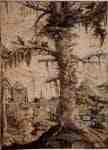
Small spruce
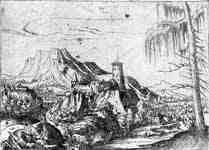
Landscape with a large castle
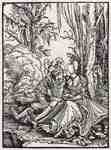
Lovers
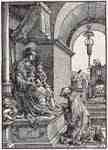
Mary worshiped by a donor
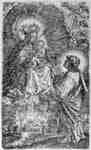
Marian apparition before John
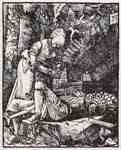
Pyramus and Thisbe
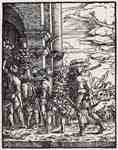
Joshua and Caleb return
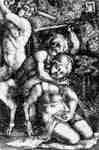
Satyr and Nymph
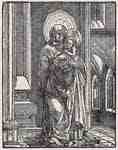
Beautiful Mary in the Church
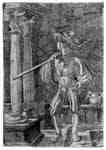
Standing Landsknecht
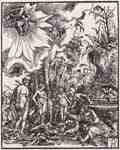
Judgment of Paris
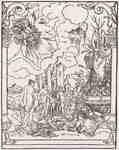
Judgment of Paris
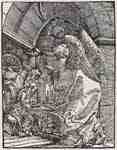
Annunciation
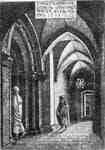
Vestibule of the synagogue of Regensburg
Albrecht Altdorfer (c. 1480 near Regensburg – 12 February 1538 in Regensburg) was a German painter, printmaker and architect of the Renaissance era, the leader of the Danube School in southern Germany, and a near-contemporary of Albrecht Dürer. He is best known as a significant pioneer of landscape in art.
Painting
He most often painted religious scenes, but is mainly famous as the first frequent painter of pure landscape, and also compositions dominated by their landscape. Taking and developing the landscape style of Lucas Cranach the Elder, he shows the hilly landscape of the Danube valley with thick forests of drooping and crumbling firs and larches hung with moss, and often dramatic colouring from a rising or setting sun. His Landscape with footbridge (National Gallery, London) of 1518-20 is claimed to be the first pure landscape in oil. [1] He also made many fine finished drawings, mostly landscapes, in pen and watercolour. His best religious scenes are intense, sometimes verging on the expressionistic, and often depict moments of intimacy between Christ and his mother, or others. His most famous religious artwork is The Legend of St. Sebastian and the Passion of Christ that decorated the altar in the St. Florian monastery in Linz, Austria. He often distorts perspective to subtle effect. His donor figures are often painted completely out of scale with the main scene, as in paintings of the previous centuries. He also painted some portraits; overall his painted oeuvre was not large.
Paintings in Munich
His rather atypical Battle of Issus (or of Alexander) of 1529 was commissioned by William IV, Duke of Bavaria as one of a suite by various artists.[1] It is his most famous, and certainly one of his best works. He renounced the office of Major of Regensburg to accept the commission. Few of his other paintings resemble this apocalyptic scene of two huge armies dominated by an extravagant landscape seen from a very high viewpoint, which looks south over the whole Mediterranean from modern Turkey to include the island of Cyprus and the mouths of the Nile and the Red Sea (behind the isthmus to the left) on the other side. However his style here is a development of that of a number of miniatures of battle-scenes he had done much earlier for Maximilian I, Holy Roman Emperor in his illuminated manuscript Triumphal Procession in 1512-14. [2] It is thought to be the earliest painting to show the curvature of the Earth from a great height.
The Battle is now in the Alte Pinakothek, which has the best collection of Altdorfer's paintings, including also his small St George and the Dragon,(1510) in oil on parchment, where the saint and the dragon are small figures almost submerged in the dense forest that towers over them. A Susanna and the Elders (1526) set outside an Italianate skyscraper of a palace shows his interest in architecture.[3] Another small oil on parchment, Danube Landscape with Castle Wörth (c 1520) is one of the earliest accurate topographical paintings of a particular building in its setting, of a type that was to become a cliché in later centuries. [4]
Printmaking
St George and the Dragon, 1510, Alte Pinakothek, oil on parchment, 28 x 23 cm
He was a significant printmaker with numerous engravings and about ninety-three woodcuts. These included some for the Triumphs of Maximilian, where he followed the overall style presumably set by Hans Burgkmair, although he was able to escape somewhat from this in his depictions of the more disorderly baggage-train, still coming through a mountain landscape. However most of his best prints are etchings, many of landscapes; in these he was able most easily to use his drawing style.[5] He was one of the most successful early etchers, and was unusual for his generation of German printmakers in doing no book illustrations. He often combined etching and engraving techniques in a single plate, and produced about 122 intaglio prints altogether.
Public life
He was a member of the ruling town council in Regensburg for many years, as well as the city architect and worked on improving the city walls. He presumably participated in the Council's decision to expel the city's Jewish community in 1519 , as well as making two famous etchings of the synagogue just before it was destroyed after the expulsion, to be replaced with a church, which Altdorfer designed, at least in part.[6] [7] Later he became a Protestant, and helped to steer Regensburg to Lutheranism.
Albrecht's brother, Erhard Altdorfer, was also a painter and printmaker in woodcut and engraving, and a pupil of Lucas Cranach the Elder.
A Crucifixion (unusually set on the banks of a large river) by Altdorfer, c. 1520
References
1. ^ Dobrzynski, Judith H. (January 2, 2010). "An Epic Poem in Paint. The story of 'The Battle of Issus' and Albrecht Altdorfer". Wall Street Journal. http://online.wsj.com/article/SB10001424052748704888404574547873533463760.html?mod=article-outset-box. Retrieved 2010-01-03. "If ever a work of art merited comparison with epic poetry, "The Battle of Issus" is it. Albrecht Altdorfer's depiction of the moment in 333 B.C. when Alexander the Great routed Darius III for supremacy in Asia Minor is vast in ambition, sweeping in scope, vivid in imagery, rich in symbols, and obviously heroic—the Iliad of painting, as literary critic Friedrich Schlegel suggested."
Further reading
* Alte Pinakotek, Munich; (Summary Catalogue -various authors),1986, Edition Lipp,ISBN 3874907015
* CS Wood, Albrecht Altdorfer and the Origins of Landscape, 1993, Reaktion Books, London, ISBN 0948462469
Retrieved from "http://en.wikipedia.org/ ", Text is available under the Creative Commons Attribution-ShareAlike License